
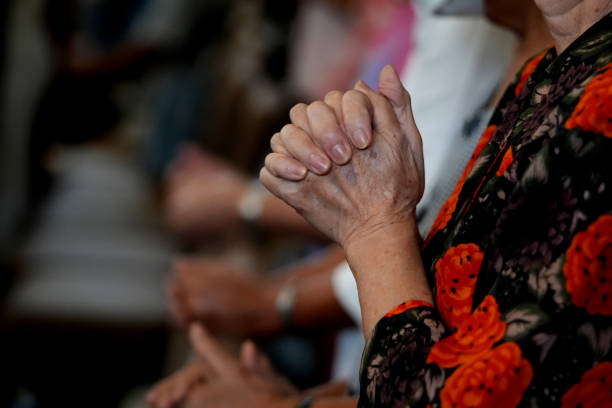

Religion is one of the strongest forces shaping life in Africa. From the village to the city church, and mosques can be seen everywhere, there is a particular Nigerian church with a focus of having their member in every Nigerian home and a branch few meters away from each other. This is laudable and a good move to help spread using faith continues to guide how people think, relate, work, vote, and care for one another. In Africa, religion is not simply a private matter; it is a public force that helps orient society toward shared values, hope, responsibility, and community
At its best, and leveraging on moral principles, religion teaches people the difference between right and wrong. It encourages honesty, integrity, compassion, self-control, respect for elders, and care for the poor. These values are essential for building a healthy society, especially where corruption, injustice, and selfish leadership can weaken public trust. Religious teachings provide a framework through which communities can question harmful practices and promote values that support good governance and democracy. At least questions that masses can’t ask their political leaders they ask their priest and imams, Lol
In many African communities, religious leaders are trusted voices. When pastors, imams, traditional priests, and other faith leaders speak against violence, corruption, tribalism, or discrimination, many people listen. This moral authority gives religion the power to shape public behaviour and encourage citizens to demand accountability from those in power. However, in some cases not all, there is confusion in the air when these trusted voices are bought over by desperate politicians to canvass members for vote.
African societies are deeply communal, and religion strengthens this spirit of togetherness. Churches, mosques, and other religions institutions often provide education, healthcare, relief materials, counseling, and support for widows, orphans, and vulnerable families. Taking Nigeria as a typical example, in times of hardship, faith communities frequently become the first place people turn to for help and most cases forgetting they have a Councilor in their various wards.
Religious gatherings also create belonging. worship services, prayers, festivals, and communal activities bring people together across age, class, and sometimes ethnic backgrounds. This helps reduce loneliness, builds cooperation, and reminds people that society is stronger when members support one another.
Africa has experienced conflicts linked to politics, ethnicity, resources, and sometimes religious misunderstanding. Yet religion can also be a powerful tool for peace. Religious leaders often act as mediators, encouraging forgiveness, dialogue, and reconciliation after disputes or violence. In countries such as Nigeria, Christian and Muslim leaders have worked together on interfaith dialogue and peace building initiatives. I advise that this should be maintained politics shouldn’t be allowed to bring division.
Faith can give people hope during difficult times. It helps communities recover from loss, insecurity, poverty, and political uncertainty by offering courage, meaning, and a vision of a better future.
Some people believe religion and politics should never mix. But politics affects nearly every part of life: schools, hospitals, roads, jobs, security, justice, and the future of young people. If religious people avoid politics completely, they may leave important decisions in the hands of those who do not share their concern for justice, honesty, and human dignity.
Religious people should engage in politics not to impose their beliefs on others, but to bring moral values into public life. A believer in politics should defend the poor, reject corruption, protect the vulnerable, promote peace, and serve with humility. Faith-based communities already play important roles in civic participation, social accountability, and grassroots mobilisation across Africa.
This engagement should be responsible and inclusive. Religious citizens should respect people of other faiths, avoid hate speech, and work for the common good rather than personal or sectarian advantage. When faith inspires service rather than division, it becomes a powerful force for national development.
Africa needs religious people who pray and also vote wisely; who worship and also demand good leadership; who preach and also build schools, support businesses, protect the environment, and care for their communities. Religion should not withdraw from society; it should help direct society toward justice, unity, and progress.
When people of faith engage constructively in politics and public life, they can help build an Africa where integrity matters, the poor are protected, peace is valued, and every citizen has a fair opportunity to succeed. That is the true role of religion in orientating society.
Dr. Tunde Abimbola is a researcher, business consultant, and political analyst.
This is well said Dr Tunde .
Indeed , there is need for more schools within these churches to help the children who can not manage the fees in private schools and if they can also create jobs for some of the member within the church would be a + .
Carol .