
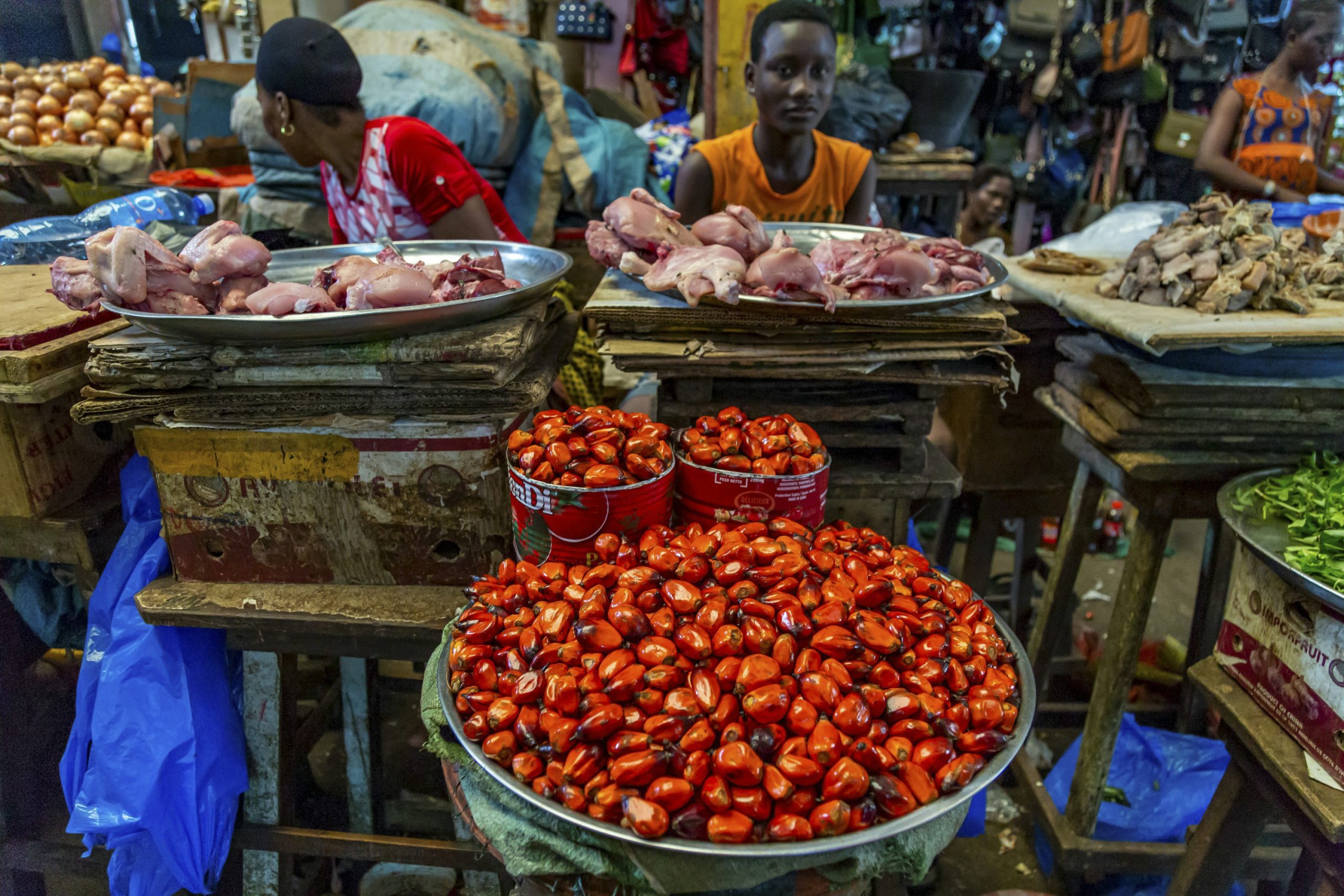

Nigeria often hears encouraging economic news: GDP is growing, inflation is slowing, reforms are working, and investors are taking notice. Yet for many households, the market does not feel like a success story. A bag of rice, transport fare, rent, school fees, and electricity bills still consume almost everything a family earns. This gap between official statistics and everyday survival is the real struggle of Nigeria today. Even on this matter me self-don tire as every other person tire.
The government’s story is not entirely false. Nigeria’s real GDP grew by 4.2% in the first half of 2026, supported by services and stronger agricultural output. The National Bureau of Statistics also reported 3.89% year-on-year GDP growth in the first quarter of 2026, higher than the 3.13% recorded a year earlier.
Inflation has also fallen from its painful peak. Headline inflation declined to 14.63% in September 2026, down from 15.39% in August. These figures can genuinely support the claim that economic conditions are improving.
But the Kitchen tells another Story in a different manner; The problem is that inflation falling does not mean prices are cheap. It only means prices are rising more slowly. For a mother buying tomatoes, pepper, rice, and eggs, the question is not whether inflation dropped from 15.39% to 14.63%; it is whether her money can still feed her children until month-end. Food inflation remained high at 19.59% in September even up to October, 2026, showing that essential food items are still becoming more expensive for many families.
Imagine a worker earning the national minimum wage of ₦70,000. After transport to work, data, electricity, and a few basic food items, there may be little left for rent, healthcare, or school expenses. Reports estimate that a family of five in Lagos may need about ₦180,000–₦220,000 monthly for food, transport, and utilities—far above the minimum wage. That is why many Nigerians do not celebrate a lower inflation rate; they simply ask, But has the price of garri come down?
However, it is expedient we look at the practical story of the hardship.
- Families reduce the number of meals they eat or replace protein with cheaper carbohydrates.
- Parents postpone medical care or choose cheaper, sometimes unsafe, alternatives. Like herbs and usage of anointing oil and water just to save cost.
- Students drop out, defer fees, or learn in overcrowded conditions. Education na scam is now the chorus of the day.
- Small business owners reduce staff because customers no longer have money to spend.
- Young people seek opportunities abroad, not because they dislike Nigeria, but because survival at home feels uncertain.
Even when food prices ease slightly, relief is limited. One report found that the cost of preparing a pot of jollof rice fell by 11.5% between June and September 2026, but households still struggled because transport, rent, school fees, and electricity remained expensive while incomes were insufficient
Government officials often speak in macroeconomic language: GDP growth, foreign reserves, exchange-rate stability, oil production, and investor confidence. These indicators matter, but they do not automatically put food on the table. An economy can grow while its benefits remain concentrated among large firms, wealthy households, or specific sectors. Mama Emeka, Baba kamo, even Usman the ram seller doesn’t under all the jargons
For ordinary Nigerians, the true index of the economy is practical: Can I afford three meals? Can I pay my children’s school fees? Can I travel to work without spending half my salary? Can I fall sick without selling property or borrowing? When these answers remain no, official progress feels incomplete, for Nigerians, he no make sense!
Nigeria needs more than announcements; it needs policies that reach the household. Food production must be protected from insecurity, poor roads, high transport costs, and expensive inputs. Electricity, healthcare, and public education need reliable funding so families are not forced to pay privately for basic services. Wages, social support, and small-business credit must reflect the real cost of living.
Most importantly, government communication should acknowledge the pain. Telling citizens that the economy is improving while they are skipping meals creates distrust. A more honest message would be: Growth is returning, but we know prices are still high; here is what we are doing to reduce the burden.
Nigeria’s economy may be moving in the right direction on paper, but development is only real when it changes the way people live. The correct measure of success is not only a rising GDP figure it is a family that can eat well, work with dignity, educate its children, and face tomorrow without fear.
Dr. Tunde Abimbola is a researcher, business consultant, and political analyst.