
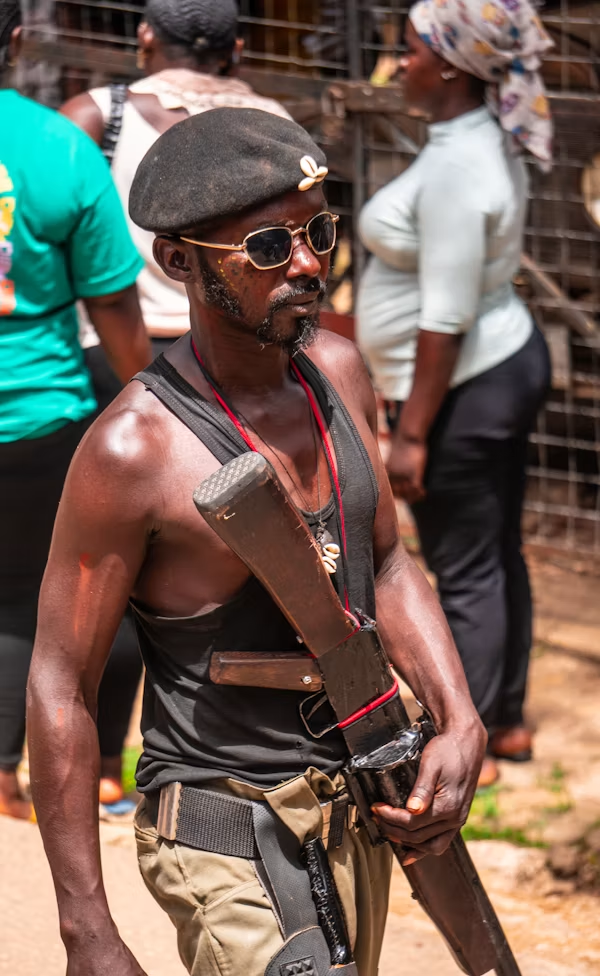

Nigerians in the diaspora should join the fight against terrorism because insecurity in Nigeria affects every part of national life, including the economy, family stability, education, investment, and the country’s international reputation. Terrorism is not only a security problem for those living in affected regions; it is a national emergency whose effects travel across borders through migration, trade, emotional ties, and global perception. For millions of Nigerians abroad, the fight against terrorism is therefore both a patriotic duty and a practical necessity.
One important reason for diaspora involvement is that terrorism weakens the country they still call home. When attacks, fear, and instability spread, businesses suffer, schools are disrupted, and investors become cautious. Research and public commentary on Nigeria’s security environment show that insecurity shapes daily life and public confidence in profound ways. If the country becomes unsafe, its citizens abroad also face consequences through reduced opportunities, weakened national identity, and constant concern for relatives and communities back home.
Another reason is that Nigerians in the diaspora possess valuable skills and resources that can support the fight in ways that do not require carrying weapons. Many have professional experience in technology, finance, health, law, education, media, and governance. These skills can be used to support peacebuilding, community resilience, crisis communication, victim support, and policy advocacy. In an age where terrorism also depends on propaganda, misinformation, and online recruitment, diaspora professionals can help counter extremist narratives and promote truthful, calming, and constructive messages.
Diaspora Nigerians can also use their influence to push for better governance. Terrorism becomes harder to defeat when corruption, poor coordination, weak intelligence, and social exclusion are allowed to persist. Through professional associations, civic groups, religious networks, and public commentary, Nigerians abroad can encourage reforms in policing, border management, youth empowerment, and accountability. They can speak to governments, media outlets, and international organizations about the need for long-term solutions, not just military responses. This kind of advocacy is important because sustainable security depends on institutions that are trusted and effective.
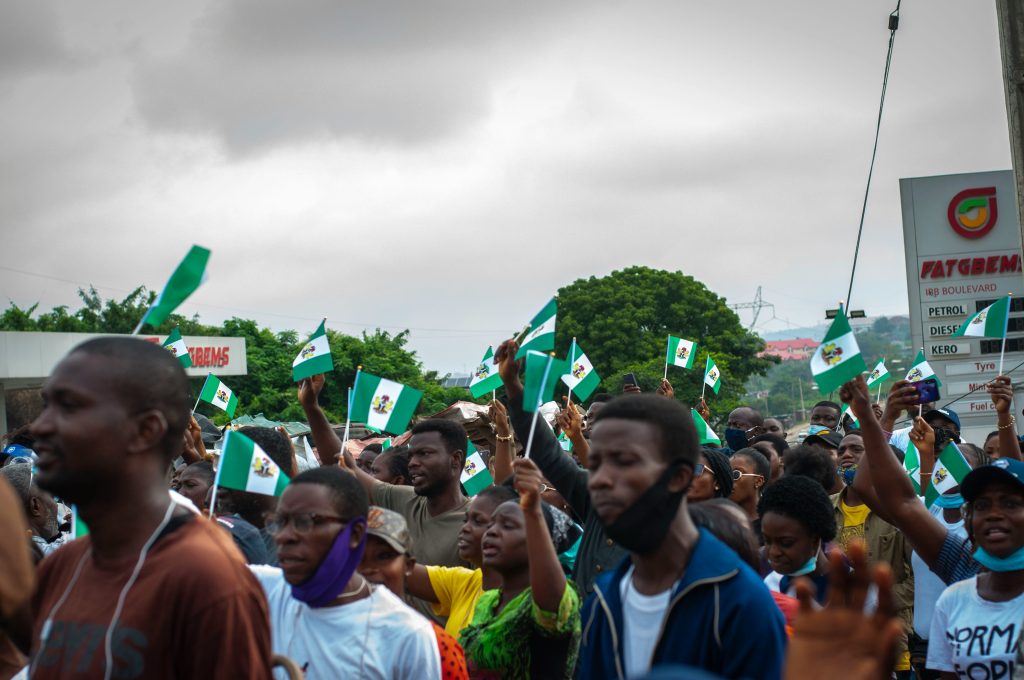
Humanitarian support is another major area where the diaspora can make a difference. Terrorism often creates displaced families, widows, orphans, traumatized children, and communities that have lost livelihoods. Nigerians abroad can support credible charities and local organizations that provide shelter, education, counselling, and economic recovery for victims. They can also fund vocational training and community projects that give young people alternatives to desperation, since exclusion and hopelessness can make communities more vulnerable to recruitment by violent groups. Helping victims is not separate from fighting terrorism; it is part of preventing its cycle from continuing.
The diaspora also has a unique role in international image-building. Terrorism damages how Nigeria is seen globally, which can affect travel, trade, foreign investment, and diplomatic trust. Nigerians abroad often live and work in environments where they can explain the realities of the country more credibly than outsiders can. By using their voices in universities, workplaces, conferences, and media platforms, they can help the world understand both the scale of the problem and the resilience of ordinary Nigerians. That visibility matters because global attention can support partnerships, humanitarian aid, and reform pressure.
There is also a moral dimension. Most Nigerians in the diaspora are not detached from the country; they have parents, siblings, friends, properties, businesses, and memories tied to it. When terrorism threatens Nigeria, it threatens a shared national future. Remaining silent can feel like distance, but constructive involvement shows solidarity. Even if diaspora Nigerians cannot directly fight on the battlefield, they can strengthen the social, political, and economic conditions needed for peace.
In conclusion, Nigerians in the diaspora should join the fight against terrorism because they have both a stake in the country’s future and the capacity to contribute meaningfully. Their role includes advocacy, humanitarian support, public education, investment in communities, and pressure for reform. Terrorism is a collective challenge, and defeating it requires the effort of citizens at home and abroad working toward the same goal: a safer, stronger, and more dignified Nigeria.
Dr. Tunde Abimbola is a researcher, business consultant, and political analyst.